The digital age has made learning a new language more accessible than ever. From immersive apps to online tutoring, resources abound—yet many enthusiasts still struggle with consistency and retention. The missing piece is often organization. Without a clear system to track goals, jot down new vocabulary, and schedule practice sessions, progress stalls. Productivity apps bridge this gap, transforming language acquisition from a chaotic hobby into a structured, enjoyable routine. In 2026, tools like Evernote, Notion, Asana, TickTick, Memrise, and monday.com have evolved with smart features, integrations, and user-friendly interfaces that cater specifically to language learners. Here’s how each can supercharge your journey.
🗂️ Evernote: The Digital Notebook for Language Drills
Evernote remains a cornerstone for note-taking in 2026, now enhanced with AI-powered tagging, voice-to-text in over 30 languages, and seamless cross-device sync. Language learners can create dedicated notebooks for each level—beginner, intermediate, and advanced—and within those, individual notes for vocabulary, grammar rules, and cultural tips.
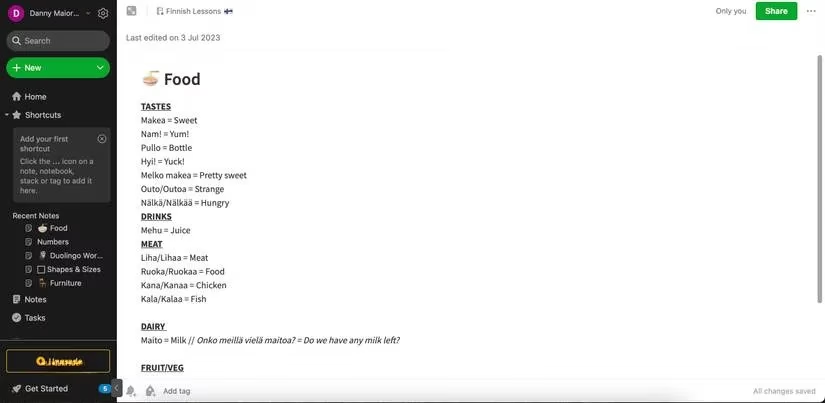
Key advantages:
-
📝 Rich media support: Insert audio clips of native pronunciations, images of flashcards, and PDF textbooks directly into notes.
-
🏷️ Tagging & search: Assign tags like “verbs,” “slang,” or “travel phrases” to quickly retrieve related notes.
-
✅ Task management: The free plan now includes basic to-do lists, while premium adds reminders and due dates for lesson reviews.
-
📱 Offline access: Study on the go without relying on internet—perfect for commutes.
A 2026 update introduced Evernote AI Cleanup, which automatically summarizes lengthy articles or lecture notes, a boon for learners who gather online resources.
📊 Notion: The All-in-One Workspace for Language Roadmaps
Notion has solidified its position as the ultimate customizable workspace. For language learners, it’s like having a personal assistant that adapts to any method—be it flashcards, progress tracking, or resource libraries. Its 2026 version includes a native AI assistant that can generate example sentences, translate phrases, or even quiz you based on your stored notes.
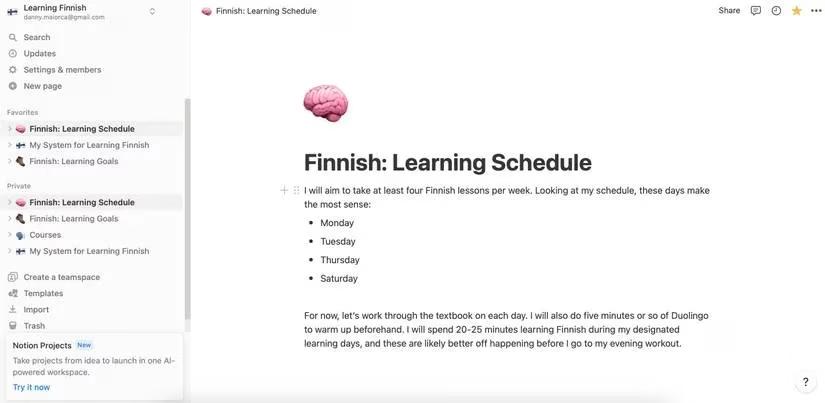
Language learners can leverage:
-
📋 Templates: Choose from pre-built setups like “Language Hub” with integrated flashcards, habit trackers, and vocabulary databases.
-
🔗 Database views: Create a word bank with columns for part of speech, example sentences, and last reviewed date—switch between table, gallery, or calendar views.
-
🌐 Web Clipper: Save articles, YouTube videos, and dictionary entries directly into your workspace.
-
👥 Collaboration: Join or create study groups by sharing pages, perfect for language exchanges.
Notion’s freemium model remains generous; paid tiers unlock larger file uploads and AI requests, but the free version already covers most learner needs.
📅 Asana: Turn Language Goals into Daily Actions
Asana shines as a project management tool that turns “learn Spanish” from a vague wish into a series of time-bound tasks. In 2026, Asana introduced natural language input for due dates and a “Focus Mode” that blocks distractions. Learners can build a project called “French A1” with sections for weekly modules.
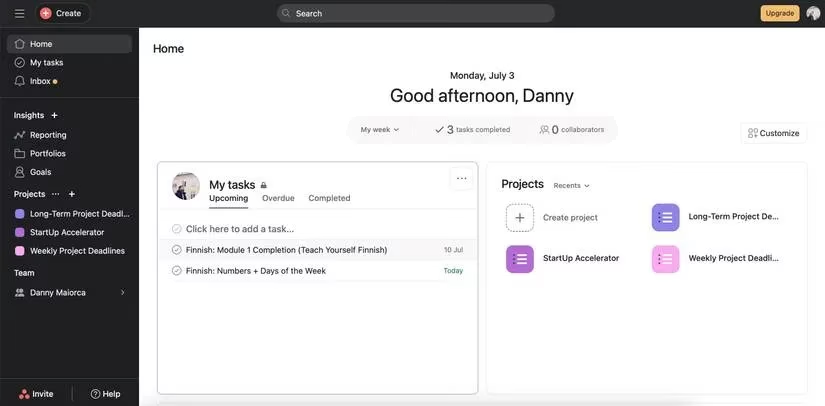
Why Asana works for language learning:
-
🗓️ Task scheduling: Assign dates to “Learn 20 verbs” or “Watch French movie” and receive notifications.
-
📌 Priority levels: Mark crucial tasks (like exam prep) with high priority flags.
-
📈 Progress dashboards: Visual charts show how many tasks you’ve completed, helping maintain motivation.
-
🔗 Integrations: Sync with Google Calendar, Pomodoro timers, and vocabulary apps like Anki via Zapier.
By segmenting the journey into digestible actions, Asana prevents burnout and builds long-term habits.
✅ TickTick: Simple Checklists with Habit Reinforcement
TickTick has grown beyond a basic to-do list into a full-featured productivity app with habit tracking, a feature language learners adore in 2026. Its clean interface and cross-platform availability make it an unobtrusive companion for daily practice.
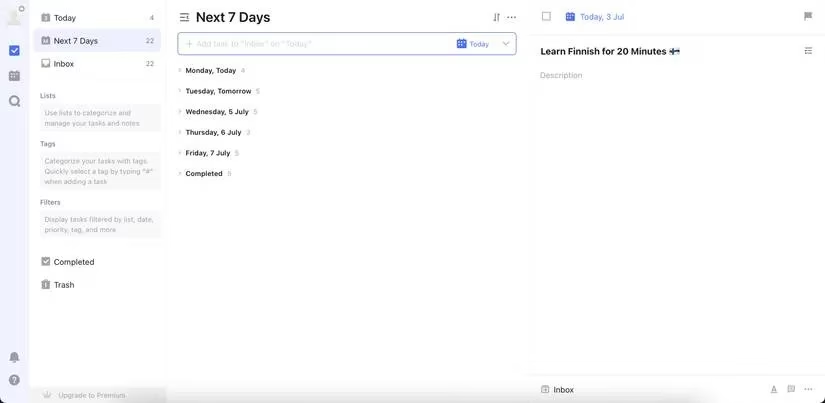
Notable perks:
-
🔄 Recurring tasks: Set “vocabulary review” to repeat every morning and “pronunciation drill” every evening.
-
🏆 Habit streaks: Track how many consecutive days you’ve studied—gamification keeps you hooked.
-
🗂️ Smart lists: Auto-group tasks by due date or tag, separating language learning from work or personal chores.
-
🔊 White noise & focus timers: Built-in Pomodoro with ambient sounds helps during study sessions.
TickTick’s free tier is robust; the premium version ($35.99/year in 2026) adds calendar views and more extensive habit data.
🃏 Memrise: Intelligent Flashcards for Rapid Vocabulary
For pure vocabulary acquisition, Memrise is the go-to tool, now enhanced with AI-generated mnemonics and personalized review sessions based on forgetting curves. It supports over 50 languages, from widely spoken ones like Spanish and Mandarin to endangered dialects.
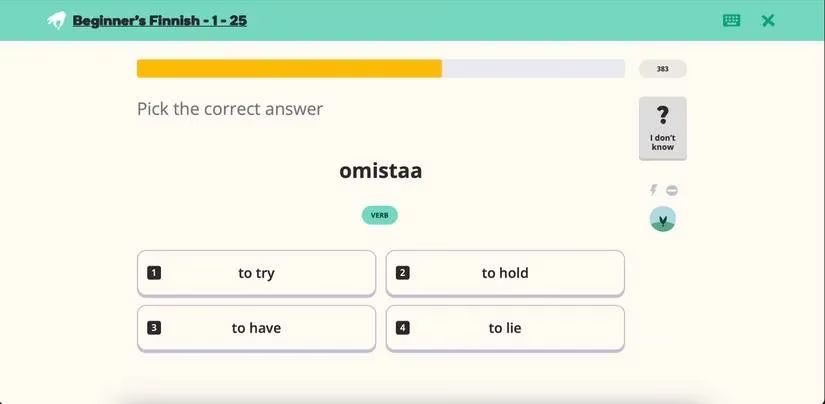
What sets Memrise apart:
-
🎥 Video clips of natives: See words used in real conversations, improving pronunciation and context.
-
🧠 Spaced repetition: Algorithm adjusts intervals to maximize long-term retention.
-
🌟 Gamified challenges: Earn points, unlock levels, and compete with friends.
-
🆓 Freemium access: Core vocabulary decks (around 60% of a language’s most frequent words) are free; a lifetime purchase ($199.99) unlocks all premium courses and AI features.
In 2026, Memrise integrated with smart glasses and AR devices, letting you point at an object and see its foreign name pop up—turning the world into a living flashcard set.
📈 monday.com: Strategic Planning for Language Mastery
Often used in corporate environments, monday.com has expanded its template library to cater to personal projects, including language learning. Its visual boards and automation capabilities make it a powerhouse for tracking complex learning paths.
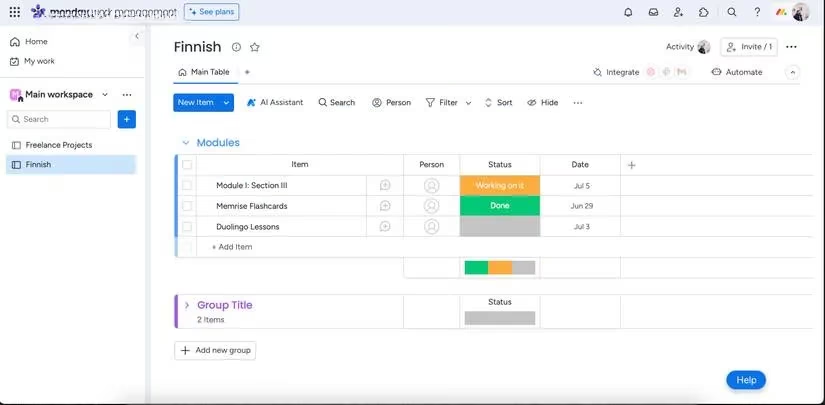
Language learners benefit from:
-
📊 Customizable columns: Add fields for “Hours spent,” “Fluency level,” “Resources used,” and even “Mood” to correlate with progress.
-
⚙️ Automations: When a task is marked “done,” automatically move it to an archive and trigger a celebratory email.
-
🗓️ Timeline & Gantt views: Plot a 12-month roadmap to B2 proficiency, adjusting as you go.
-
📱 Mobile & desktop sync: Real-time updates across all devices, ideal for learners juggling multiple commitments.
monday.com’s free plan supports up to two users, making it feasible for tandem learning pairs.
🔍 Putting It All Together
The common thread among these tools is structure. While apps like Duolingo or Babbel deliver content, they rarely help you organize the learning process itself. By combining a note-taking app (Evernote or Notion) with a task manager (Asana, TickTick, or monday.com) and a dedicated flashcard system (Memrise), you create a personalized ecosystem where every minute counts. In 2026, integration between these services is smoother than ever—for example, embedding a Memrise review link inside Notion or syncing Asana deadlines to Google Calendar.
Remember, no single tool will make you fluent overnight. Discipline, consistent effort, and genuine curiosity remain the true drivers. Yet, with the right digital scaffolding, you’ll find the path far less overwhelming. Start by picking one app from each category, spend a week setting it up, and then let the daily habits take over. Your future multilingual self will thank you.
Comments