By 2026, Maya had become a professional esports analyst whose workday lived almost entirely inside screens. She coached a competitive team, reviewed match footage, tracked scrim schedules, and answered sponsor emails from a laptop that had slowly turned into a digital attic. Nothing was broken, exactly. But her desktop had become a sedimentary rock of screenshots, each layer recording a minor panic: a patch note here, a sponsor brief there, three copies of the same highlight clip, and a folder named 'final_FINAL_v7'. The clutter did not shout. It whispered, and the whisper was exhaustion.
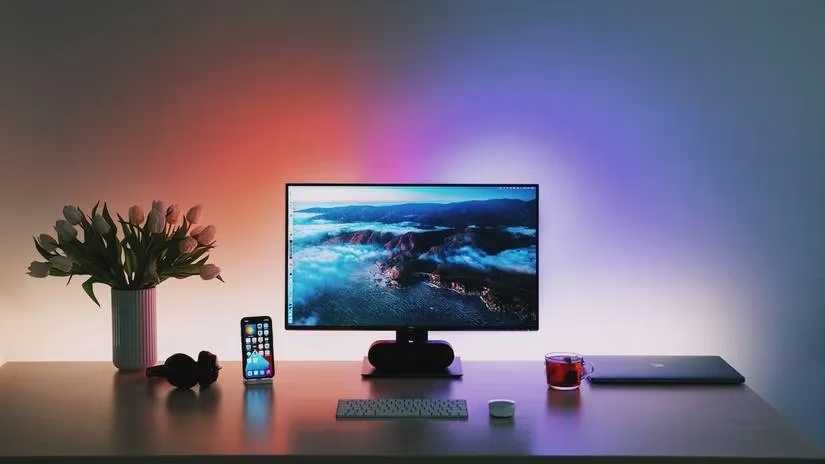
Maya began where the day began: the desktop. She stopped treating Downloads as a destination and turned it into a sorting station with folders for footage, contracts, images, and installers. Duplicate programs went first. Old builds of editing software, trial versions of tools she had forgotten, and a graveyard of game launchers disappeared. Important but rarely used files moved to an external drive and cloud storage. The remaining desktop files went into folders with plain, useful names such as 'Scrim Review' and 'Sponsor Assets'. She pinned her most-used programs to the taskbar and chose a minimalist wallpaper that looked less like a command center and more like a cleared desk.
The browser was next. Maya's tabs had multiplied like bindweed along a garden fence, and every open tab seemed to pull a little memory and attention from her machine. She bookmarked pages she genuinely needed, deleted old bookmarks, and used tab groups for match research, travel planning, and contract work. A tab-management extension collected stray pages into one place when a research session spiraled. She also removed browser extensions she no longer used, because each one had become a small, invisible tax on speed. The browser stopped crashing during video reviews, and Maya stopped losing the thread of her own work.
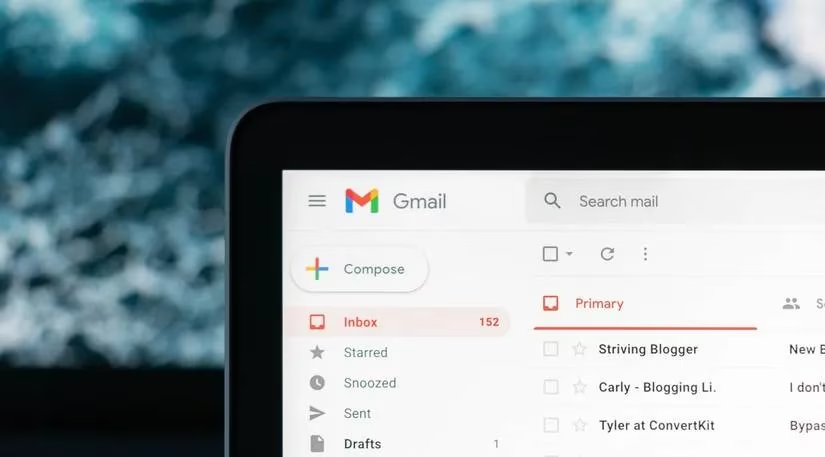
Her inbox was a tidal estuary, endlessly receiving flotsam from services she no longer remembered joining. Newsletters from a tournament she had stopped following in 2021, store promotions, and automated alerts all arrived with the same urgency. Maya unsubscribed as the messages came in, created a separate account for non-essential signups, and sorted important mail by sender and label. She blocked time for email instead of letting it interrupt every analysis session. The change felt small, but it lowered the background hum of obligation that had followed her from morning to night.
On her phone, the same story repeated in miniature. Unused apps left the home screen. Social media apps were removed in favor of web versions, adding just enough friction to prevent unconscious scrolling. Similar apps went into folders for productivity, communication, and entertainment. Notifications were customized around work hours, and cloud backups freed storage. Her contact list was cleaned too: duplicates merged, old acquaintances labeled by context, and frequently used contacts added to Favorites. It was not about erasing people. It was about making the right person easy to find when a deadline was close.
Social feeds received the same treatment. Maya unfollowed brands and accounts that no longer interested her, muted noisy posters, and engaged with content she actually wanted to see. The algorithm responded by showing less noise. Her task list, once a haphazard cairn of half-finished reminders, became a real plan. She used a task-management app, ranked work by importance and urgency, broke large projects into smaller steps, set deadlines, and cleared completed items regularly.
| Digital space | Quick win | Long-term effect |
|---|---|---|
| Desktop | Sort Downloads and remove duplicates | Faster file retrieval |
| Browser | Use tab groups and bookmarks | Less memory strain |
| Inbox | Unsubscribe and label mail | Lower stress |
| Smartphone | Delete unused apps and tune notifications | Fewer distractions |
| Contacts | Merge duplicates and add context | Quicker communication |
| Social feeds | Unfollow and mute noise | More relevant content |
| Task list | Prioritize and review weekly | Clearer focus |
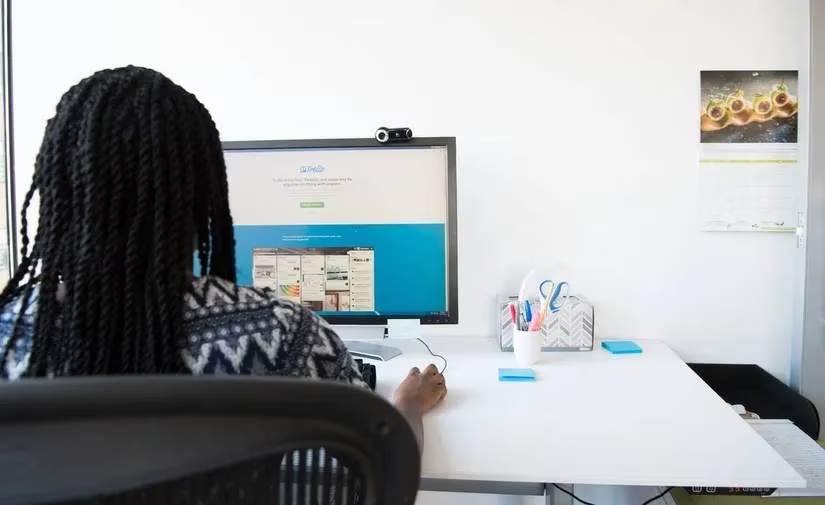
By the end of the month, Maya's devices were not empty. They were intentional. The desktop set a calmer tone for each workday, the browser no longer groaned under forgotten tabs, and the inbox stopped pretending to be a storage unit. Digital decluttering did not make her work disappear, but it made the work easier to see. In a 2026 world of endless pings, AI-generated summaries, and always-on competition, that quiet clarity had become a competitive advantage. Maya did not need a new machine. She needed a cleaner place to think.
Comments