In the digital tapestry of modern communication, video conferencing applications have become the vibrant threads weaving together distant voices and faces. These digital portals transcend physical boundaries, creating virtual meeting spaces where ideas flow like rivers and collaborations blossom like spring flowers. The Apple ecosystem, with its elegant design philosophy, hosts a constellation of such applications, each offering unique harmonies in the symphony of remote connection.

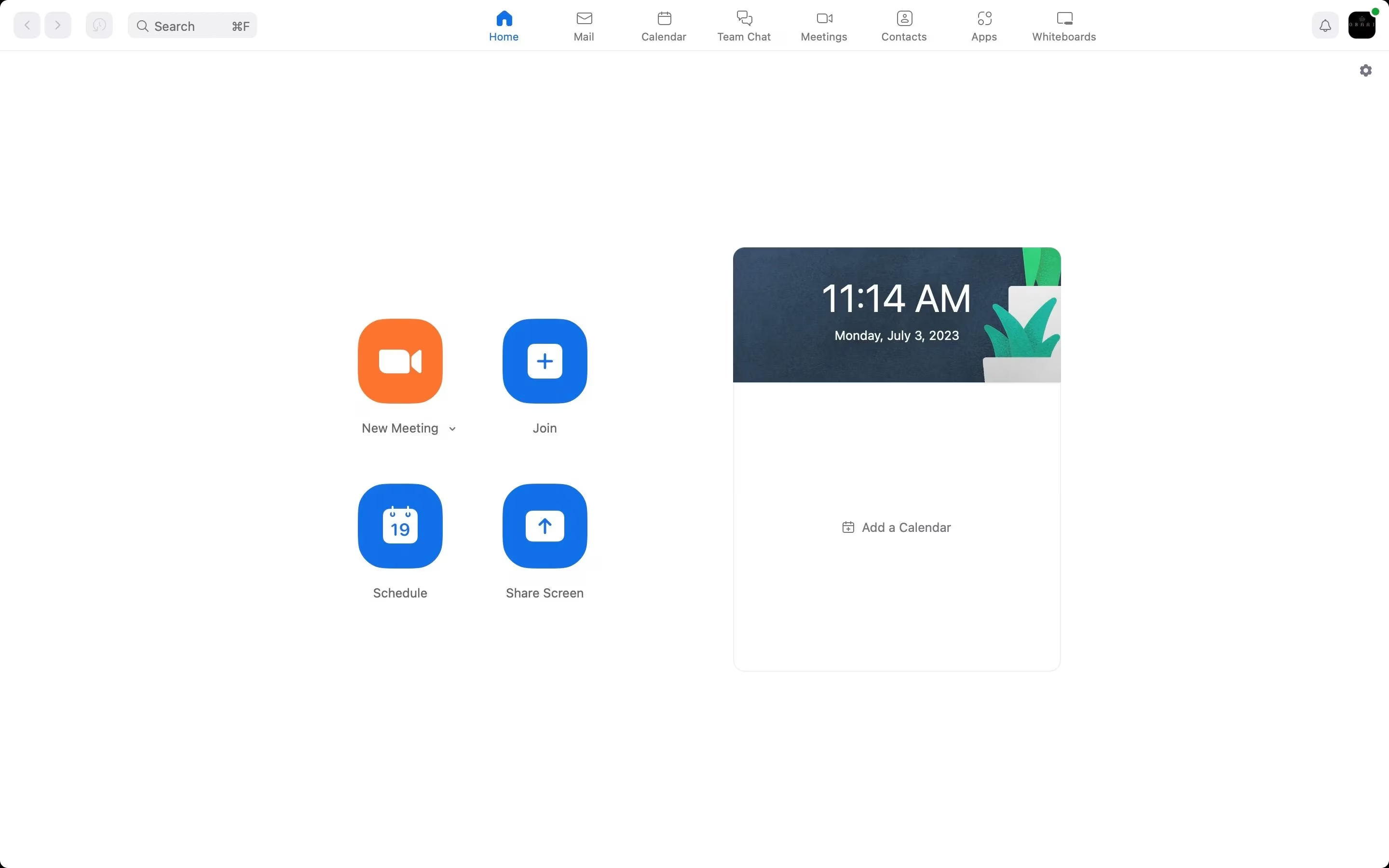
Zoom: The Digital Colossus
Zoom emerged as a phoenix during the global pandemic, transforming living rooms into boardrooms and kitchens into classrooms. This cross-platform titan dances gracefully across Windows, iOS, iPadOS, macOS, and Android, creating bridges between different technological landscapes. Its features read like a poet's toolbox:
-
🎯 Screen-sharing capabilities that extend digital horizons
-
📹 Meeting recordings that capture fleeting moments
-
🎨 Custom backgrounds that paint new realities
-
⏱️ 40-minute symphonies on its free version
Webex Meetings: The Elegant Alternative
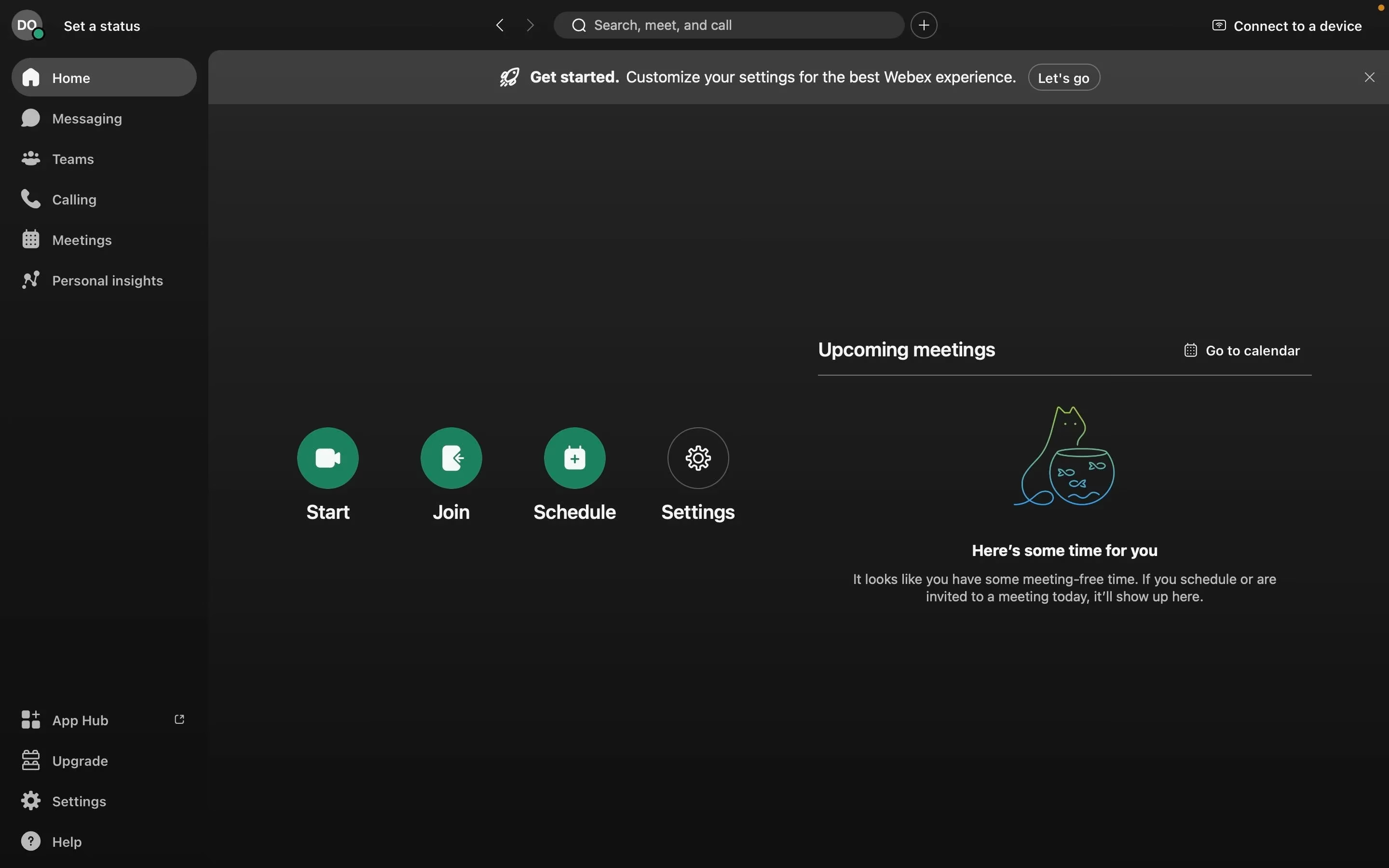
Webex Meetings moves with the grace of a seasoned dancer, offering similar rhythms to Zoom but with distinct variations. Its free plan sings for 40 minutes, while its paid version orchestrates gatherings of up to 200 participants—a hundred more souls than Zoom's chorus can accommodate. The platform's harmony includes:
-
Intuitive navigation that flows like music
-
📋 Document collaboration suites
-
1080p video clarity
-
💬 Persistent chat rooms that keep conversations alive
Slack Huddles: The Workplace Maestro
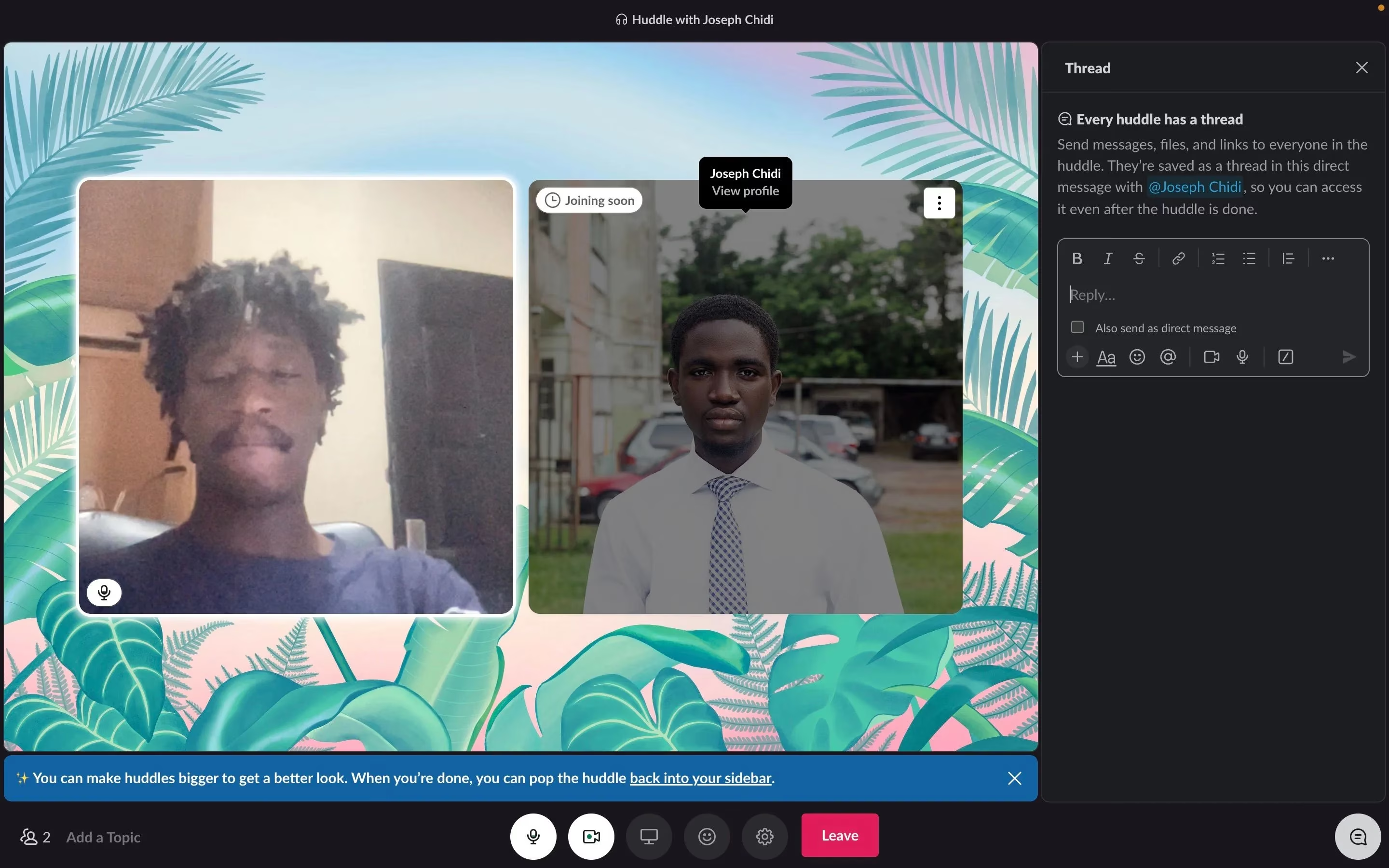
Slack has evolved from a mere messaging platform into a comprehensive digital workspace where ideas converge like rivers meeting the sea. Its huddles feature conducts lightweight video conferences that feel like spontaneous office conversations. The platform's composition includes:
-
🎭 Versatile app integrations
-
📊 Robust communication channels
-
🎙️ Voice and video harmonies
-
💼 Professional ecosystem enhancements
Microsoft Teams: The Corporate Virtuoso
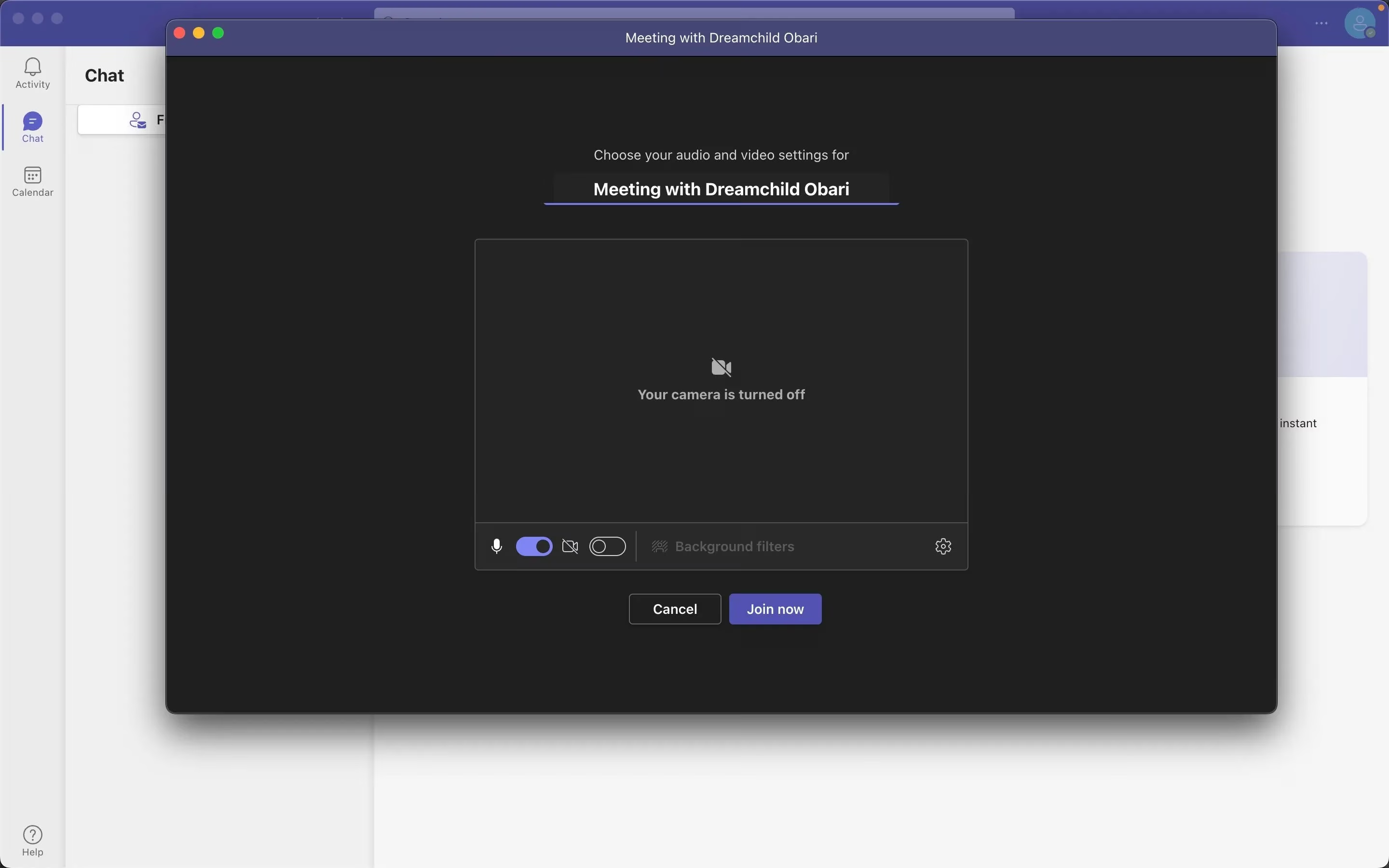
Microsoft Teams performs like a well-rehearsed orchestra, blending video conferencing with comprehensive team management. Its free version allows duets lasting up to 30 hours, while group performances are limited to 60-minute movements. The platform's symphony features:
-
📅 Integrated calendar systems
-
📋 Task management suites
-
🎯 Live English captions
-
🔄 Seamless file sharing
Google Meet: The Accessible Performer
Google Meet, once known as Hangouts, has transformed into a reliable performer in the digital arena. Accessible through Gmail's familiar embrace or dedicated applications, it offers free group performances limited to 60 minutes with up to 100 participants. Its melody includes:
-
🌐 Browser-based accessibility
-
📧 Gmail integration
-
💰 Affordable premium plans
-
👥 Scalable participant limits

Discord: The Quirky Virtuoso
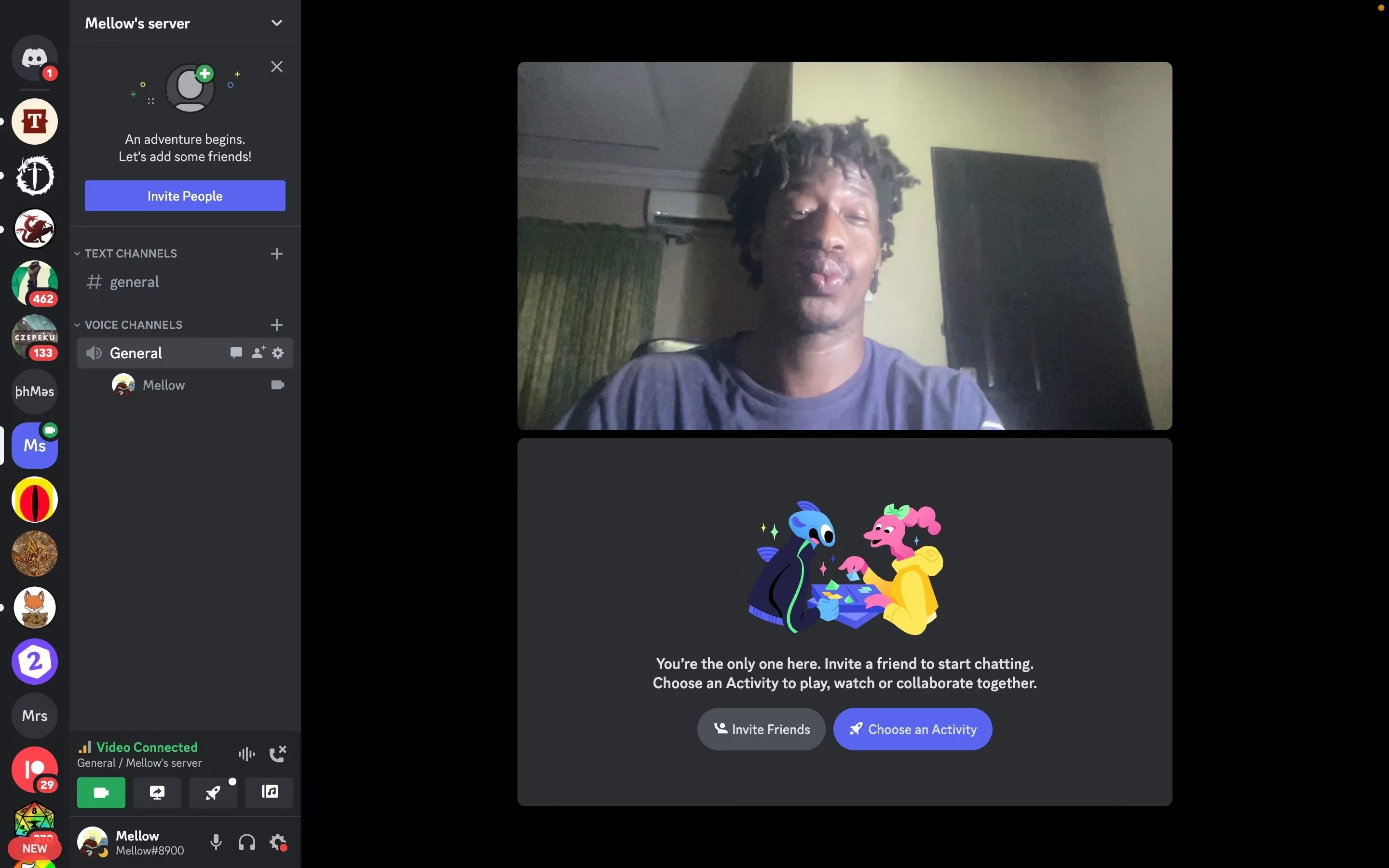
Discord brings a playful rhythm to professional communications, offering unlimited free video calls without temporal constraints. While its interface may resemble a complex musical score, its capabilities shine brightly:
-
⏳ Unlimited call durations
-
🎮 Gaming-inspired interface
-
📺 25 simultaneous video streams
-
Customization options
Each application composes its own unique melody in the grand orchestra of digital communication. From Zoom's widespread harmony to Discord's unconventional rhythms, these platforms have transformed how humanity connects across distances. They represent not merely technological tools but digital campfires around which modern tribes gather to share stories, strategies, and dreams.
The evolution of these platforms continues to weave new patterns in the fabric of remote work, education, and social interaction. As technology advances, these digital gathering spaces will likely become even more immersive and intuitive, further blurring the lines between physical and virtual presence. In this ever-connected world, these applications serve as both bridge and beacon—connecting separated souls while illuminating new possibilities for human collaboration.
Comments